 Surrey Ridge Community Association
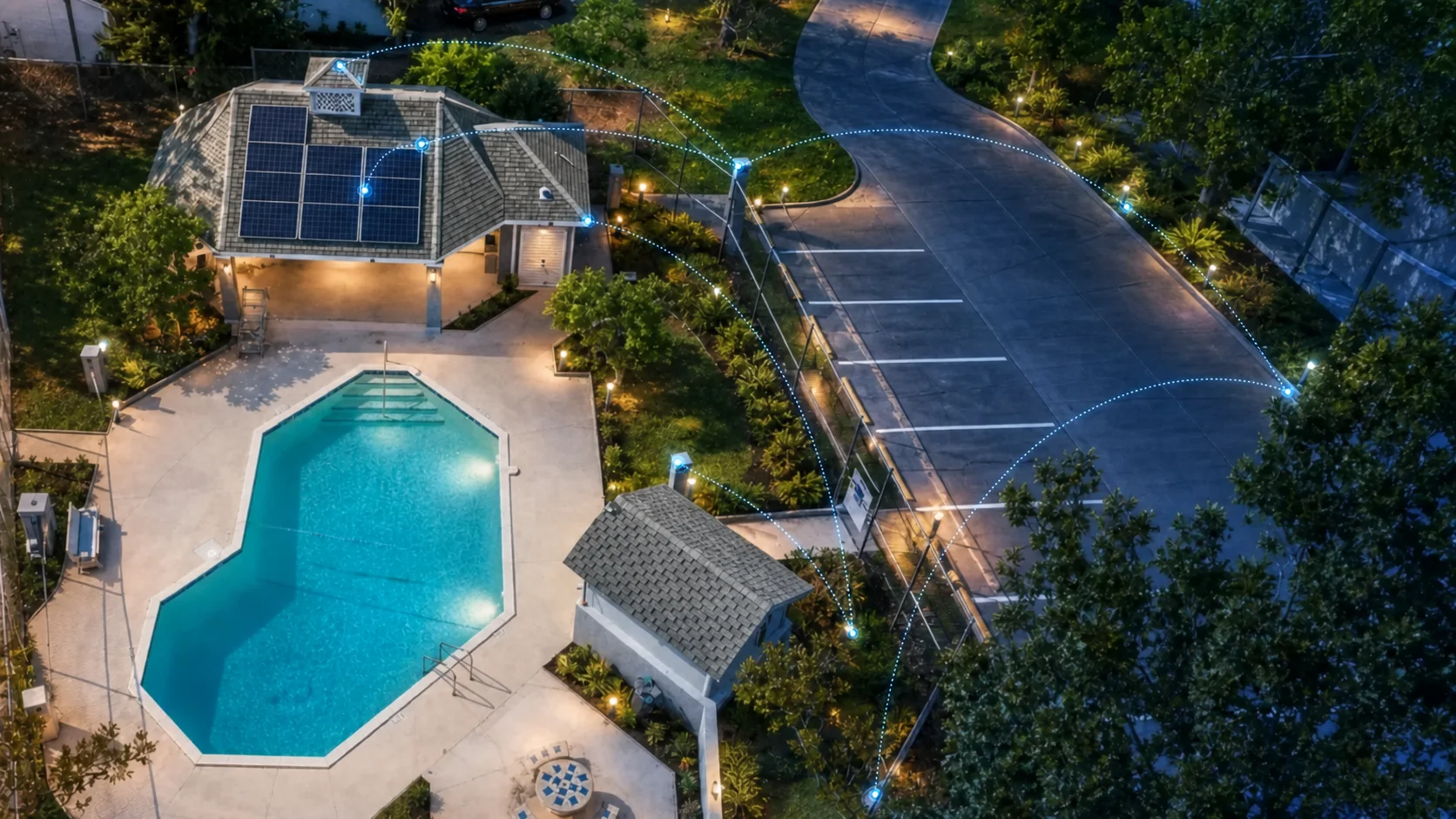
Technology implementation Scott Davis President & Systems Administrator
Scott Davis designs, implements, and maintains the Association's operational technology systems. Policy, contracts, and spending remain subject to the Board's governing authority.
Why modernization matters
Older communities do not need technology for its own sake. They need dependable tools that help volunteers find problems earlier, preserve records, understand costs, and keep homeowners informed.
Technology working for the community
Homeowner access
Website, notices, and self-service information
The community website brings together meeting information, governing documents, forms, project updates, pool conditions, and homeowner education in one public location.
Common areas
Pool and weather visibility
Current pool temperature, weather conditions, safety information, and operating status help support daily oversight and give residents useful information before visiting.
Association finances
Documented financial workflows
Digital receipts, approval history, budget tracking, and reconciled records strengthen accountability while keeping protected owner information out of public view.
Landscape operations
Weather-aware irrigation oversight
Operational monitoring helps the Association understand watering activity, respond to equipment interruptions, and use supplemental watering more deliberately during extreme heat.
Infrastructure
Maintenance history and follow-through
Structured project records, inspection evidence, invoices, and completion history make it easier to track responsibility and preserve the facts behind major repairs.
Board readiness
Education and compliance support
Class records, certificates, scheduled reminders, and organized reference materials help directors maintain education requirements and apply current knowledge to Association work.
From information to action
Useful community technology follows a simple operating model. Automation supports the work, but people remain responsible for judgment and decisions.
Gather relevant operational information from records, equipment, inspections, or public data.
Put the information in a consistent format so trends and exceptions are easier to identify.
Bring time-sensitive conditions and required follow-up to the right people.
Use human review, Board authority, and documented action to resolve the issue.
Safeguards that stay in place
Privacy by default
Homeowner account details, access credentials, and protected Association records remain restricted to authorized users.
Human review
Alerts and automated summaries assist decision-making. They do not replace inspections, professional advice, or Board action.
Practical value
New tools should solve a defined problem, have a support plan, and justify their cost before the Association relies on them.
Built into current operations
These capabilities are already part of the Association's operating systems and support routine oversight, maintenance, and long-term planning.
Explore how the systems help
These homeowner-facing guides explain what each connected area accomplishes, how information leads to action, and what value it provides to the community.
Last updated July 2026