 Surrey Ridge Community Association
Common-area maintenance
Understanding concrete damage and repair
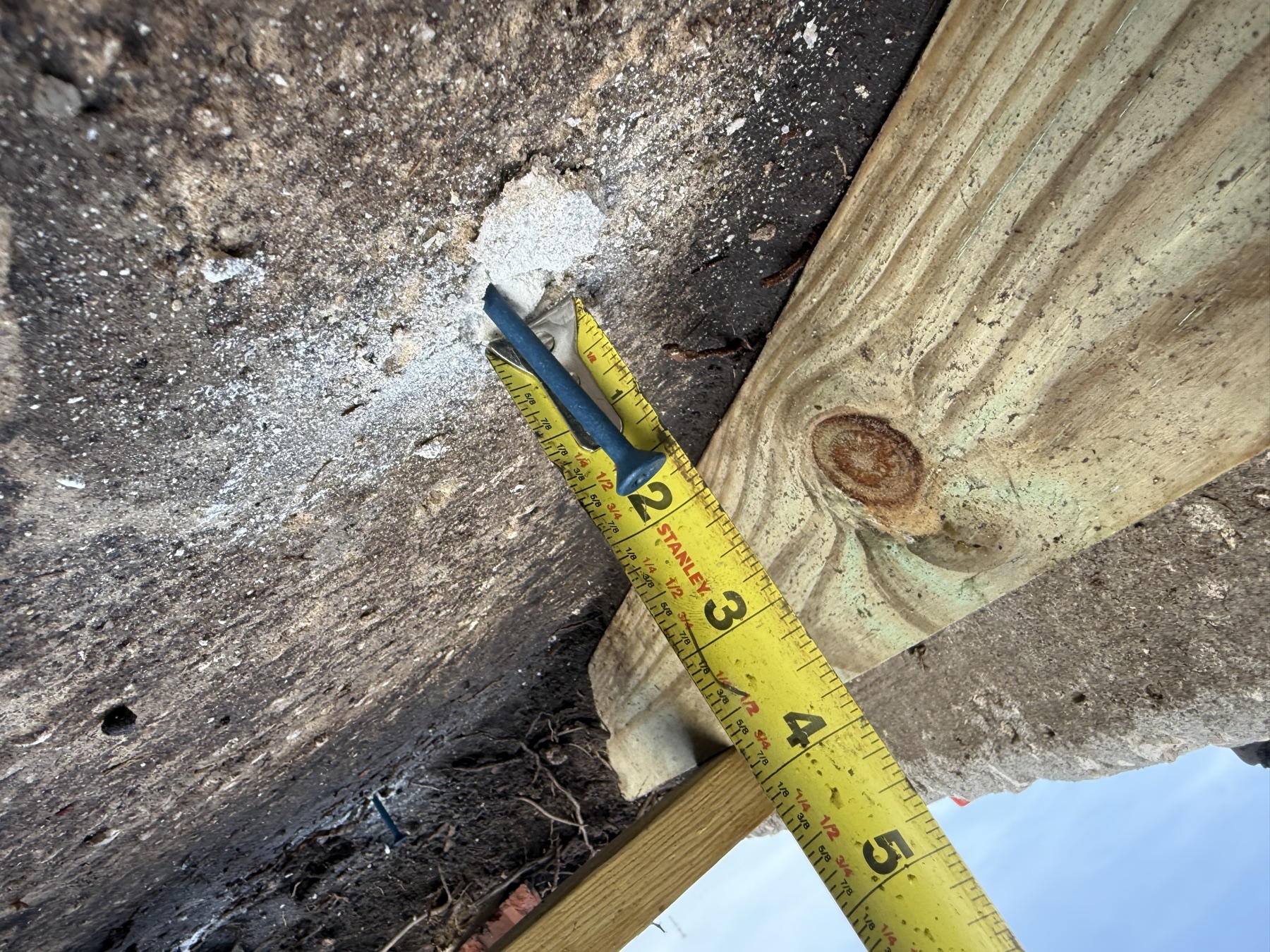
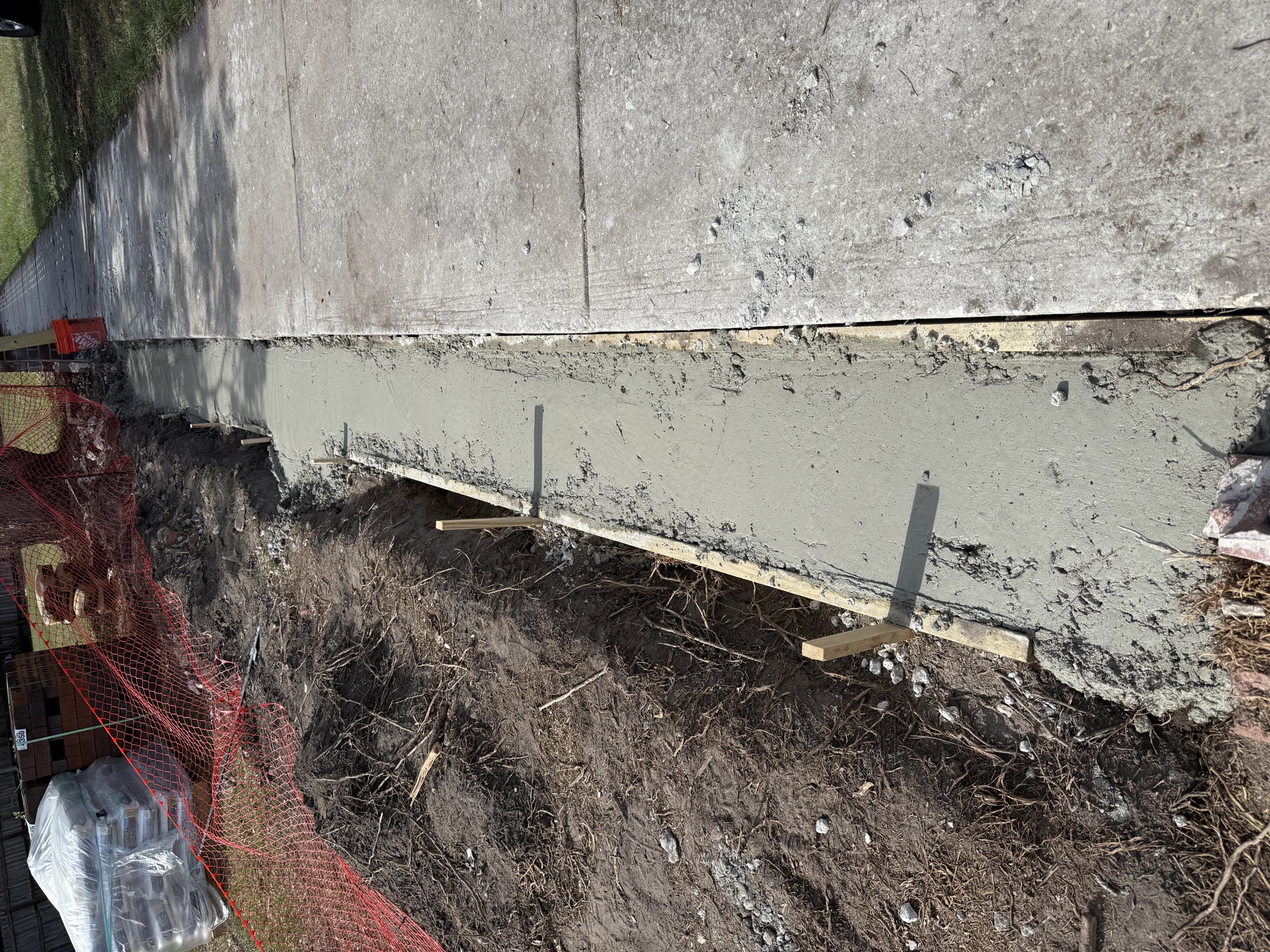
Members are often the first to notice a lifted sidewalk, loose concrete, a widening crack, or recurring water near a shared structure. Knowing what to photograph, when to report it, and what information to look for helps the community respond before damage or cost grows.
What homeowners may notice
| Observation | What it may indicate | Appropriate next step |
|---|---|---|
| Hairline cracking | Normal shrinkage or minor movement, depending on location and whether it changes. | Photograph and monitor. Report cracks that widen, lengthen, or return after repair. |
| Uneven or lifted concrete | Settlement, soil movement, roots, erosion, or drainage problems. | Report promptly when it creates a trip hazard or affects drainage. |
| Flaking, chipping, or loose material | Surface deterioration, impact damage, moisture exposure, or separation below the surface. | Avoid the loose area and report it, especially near walkways, walls, or the pool. |
| Rust staining or exposed steel | Moisture has reached embedded reinforcement, which can expand as it corrodes and break surrounding concrete. | Request professional evaluation; covering the stain alone does not address the cause. |
| Recurring moisture or white deposits | Water movement through concrete or masonry. The source may be drainage, irrigation, joints, or another adjacent condition. | Document when and where it appears so the water source can be investigated. |
A visible crack does not automatically mean a structural failure. Its location, direction, width, history, surrounding conditions, and effect on the component all matter.
Repair the cause, not only the surface
Concrete damage can result from movement, water intrusion, corroding reinforcement, drainage, soil conditions, impact, or an earlier repair that did not extend far enough. A durable scope identifies the likely cause and the full repair boundary before a price is accepted.
What happens after you report damage
- Your report identifies the condition. An exact location, date, description, and clear photographs help distinguish a safety concern from routine wear.
- The immediate risk is reviewed. Loose material, movement, or an elevation change may require a temporary warning or access restriction.
- The cause is evaluated. Structural, recurring, extensive, or unusual damage may require a licensed engineer or another qualified professional.
- The repair is defined. The written scope should identify what will be removed, repaired, protected, inspected, and accepted.
- The work is completed and documented. Permits, concealed stages, approved changes, inspections, warranties, and final acceptance become part of the project record when applicable.
Questions members can ask
- What is believed to have caused the damage?
- Is the proposal a cosmetic repair, a safety repair, or a structural repair?
- Who prepared the scope, and does the project require engineering?
- How were repair quantities measured, and how will hidden conditions be priced?
- Will deteriorated concrete be removed far enough to reach sound material?
- How will exposed reinforcement, joints, drainage, and adjacent surfaces be handled?
- Which contractor licenses, permits, inspections, and insurance apply?
- Who verifies preparation before new material conceals the repair area?
- What curing, protection, warranty, and closeout documentation will be provided?
When to report a condition promptly
- A raised or sunken walking surface that could cause a fall.
- Loose concrete or masonry that could detach or drop.
- Exposed or rusting reinforcement.
- A crack that is widening, displaced, recurring, or accompanied by movement.
- Standing water, erosion, or repeated moisture around a concrete component.
- Damage near the pool deck, perimeter walls, gates, or other frequently used common areas.
Information members may look for
For a significant common-area repair, useful records may include the original condition photographs, professional evaluation, approved scope, contractor proposal, permits, inspections, approved change orders, construction photographs, final acceptance, warranty, and cost. Members seeking a particular record can use the official-records request guide.
Official resources
- Orange County Division of Building Safety: permits, inspections, and contractor research
- Orange County Fast Track Online Services
- Florida DBPR: verify a contractor or professional license
- Florida Building Commission: current code resources
This guide provides general member information. Qualified professionals determine repair design, permitting, and construction requirements for a specific condition.